2026 HVAC & Climate Control Diagnostics: Troubleshooting Multi-Zone Electronic Expansion Valves & High-Voltage Heat Pump Loop Anomalies
As high-performance 2026 electric and software-defined vehicles integrate complex multi-zone climate architectures with intelligent heat pump loops, the traditional automotive air conditioning system has evolved into a sophisticated thermal management network. Modern systems manage simultaneous cabin cooling, battery thermal conditioning, and powertrain inverter cooling using advanced Electronic Expansion Valves (EEVs) and high-voltage electric compressors. Diagnosing transient refrigerant pressure drops and multi-zone airflow mixing anomalies represents a major frontier for master technicians.
When an electronic expansion valve sticks or a high-voltage refrigerant loop experiences pressure imbalances, the Climate Control Module (CCM) triggers performance derates or shuts down specific cabin zones. Standard OBD-II scanners often only log vague actuator communication errors. This masterclass outlines the professional engineering workflow required to diagnose and resolve advanced HVAC and heat pump loop failures accurately.

Figure 1: Comprehensive schematic of automotive refrigerant flow, showing high/low pressure loops, compressor, condenser, and expansion valves.
1. The Thermodynamics of Multi-Zone Electronic HVAC Loops
Modern 2026 climate systems depart from mechanical orifice tubes, utilizing pulse-width modulated electronic expansion valves and variable-speed electric scroll compressors:
- Precision Superheat Control: EEVs adjust refrigerant mass flow in milliseconds based on evaporator outlet temperature and pressure sensor feedback. Stiction or stepping errors cause evaporator icing or liquid slugging at the compressor inlet.
- Multi-Zone Air Mixing & Actuator Stiction: Individual zone temperature control relies on multiple electronic blend-door actuators and brushless blower motors. Gear wear or feedback potentiometer drift creates temperature discrepancies across cabin zones.
- High-Voltage Electric Compressor Integration: Operating directly on high-voltage DC buses, these compressors demand clean inverter drive signals. Internal winding insulation breakdown triggers immediate high-voltage interlock shutdowns.
2. Step-by-Step Advanced HVAC Diagnostic Workflow
Isolating electronic climate control faults requires combining digital manifold gauge analysis with live telemetry and actuator calibration testing.
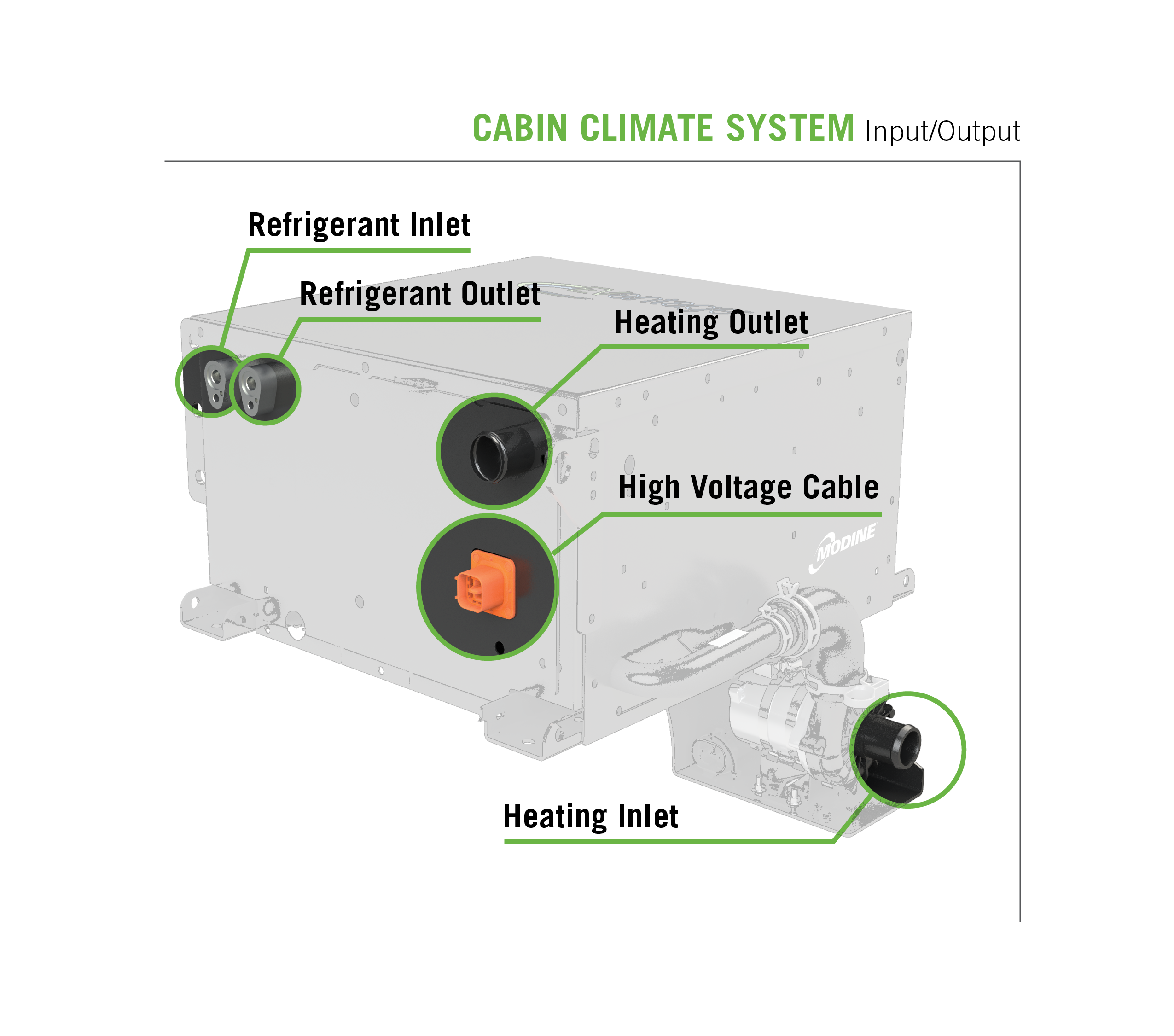
Figure 2: Electric vehicle cabin climate system interface showing high-voltage cable connections, refrigerant inlets, and heating fluid loops.
- Step 1: Live Pressure & Superheat Parameter Audit: Connect digital manifold gauges and access CCM live data streams to compare target evaporator superheat against actual pressure transducer feedback. Discrepancies confirm EEV stiction or blockage.
- Step 2: Blend-Door Actuator Position Calibration: Run initialization routines via manufacturer diagnostic software to monitor travel limits and feedback voltage curves for all zone mixing doors.
- Step 3: High-Voltage Compressor Insulation & Current Check: Perform megohmmeter isolation testing on the electric compressor windings and audit inverter phase current balance during high-demand cooling cycles.
3. Permanent Corrective Action & Module Re-Initialization
Resolving climate control faults requires a structured approach combining mechanical component replacement and software adaptation:
- Electronic Expansion Valve Replacement & Flushing: Replace contaminated or sticking EEV assemblies and flush refrigerant lines to remove particulate debris before vacuum charging.
- Actuator Gear Assembly Servicing: Replace worn plastic blend-door gears and recalibrate end-stop positions through factory software routines.
- CCM Climate Adaptation Reset: Execute a full factory zero-position calibration for all environmental sensors, sun-load monitors, and air distribution flaps.
Master Mechanic Summary
Mastering 2026 advanced HVAC and climate control diagnostics requires merging thermodynamic refrigeration principles with high-voltage electronics troubleshooting. By methodically auditing refrigerant pressures, EEV duty cycles, and multi-zone actuator telemetry, professional technicians can ensure absolute cabin comfort and thermal system reliability.