2026 Transmission Diagnostics: Advanced DCT Hydraulic Pressure Drops & Mechatronic Valve Body Faults
As high-performance 2026 dual-clutch transmissions (DCT) and multi-speed automated gearboxes handle extreme torque outputs exceeding 1,000 Nm, hydraulic control precision becomes critical. One of the most elusive mechanical faults is the transient Mechatronic Main Line Pressure Drop and Clutch Slip Anomaly, which triggers harsh gear engagement, clutch chatter, or limp-mode lockouts without logging permanent hard electronic codes.
When a transmission control module (TCM) compensates for slipping clutches by maxing out solenoid duty cycles, standard OBD scanners only report vague gear ratio errors. This masterclass outlines the professional engineering workflow required to isolate hydraulic pressure losses and valve body wear accurately.

Figure 1: Hydraulic schematic analysis of main line pressure circuits and control valves in modern transmissions[span_0](start_span)[span_0](end_span).
1. The Physics of Hydraulic Pressure Decay in Modern Mechatronics
Modern dual-clutch systems rely on electro-hydraulic actuation modules operating at high pressures to control wet clutch packs and shift forks with millisecond precision.
- Valve Body Bore Wear: Continuous spool valve movement across aluminum valve body castings causes microscopic wear ridges over high mileage, leading to internal fluid bypass and pressure bleeding.
- Accumulator Pre-Charge Loss: The hydraulic accumulator stores pressurized fluid to maintain instant clutch clamping force. When internal nitrogen gas bladders degrade, line pressure drops instantly during rapid sequential downshifts.
- Fluid Viscosity Breakdown: Thermal overload in high-performance driving conditions thins transmission fluid, dropping volumetric efficiency and delaying clutch fill times.
2. Step-by-Step Advanced Diagnostic Workflow
Pinpointing an internal hydraulic leak requires combining live data stream analysis with physical pressure transducer testing.
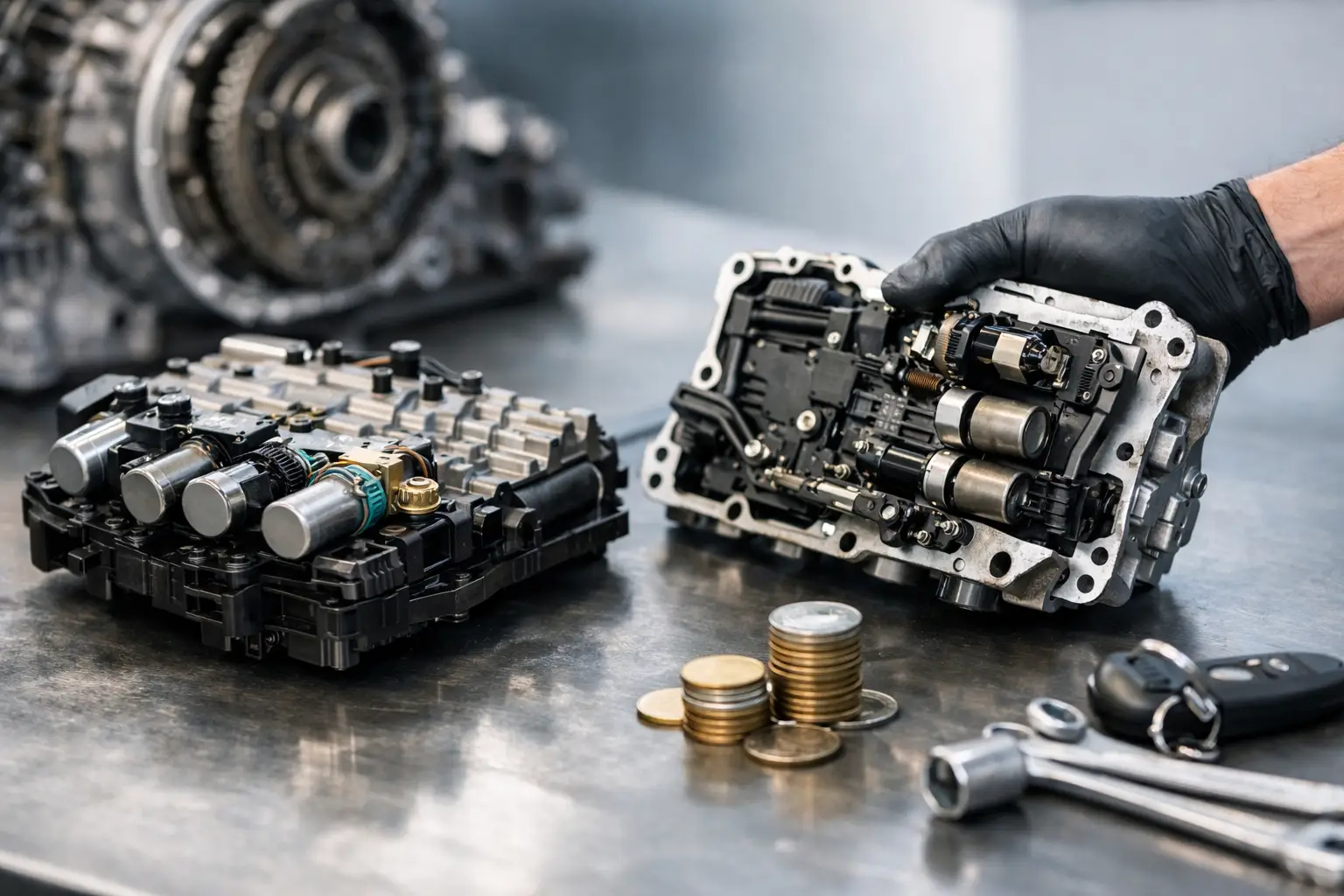
Figure 2: Professional mechatronic unit inspection and solenoid testing for pressure drop diagnosis[span_1](start_span)[span_1](end_span).
- Step 1: Live Clamping Pressure vs. Target Analysis: Monitor TCM live data parameters comparing requested clutch slip speed against actual hydraulic pressure feedback. Discrepancies exceeding 100 RPM under load confirm mechanical slip rather than sensor failure.
- Step 2: Physical Pressure Transducer Testing: Screw digital pressure transducers directly into the transmission main line test ports. Record dynamic pressure curves under acceleration to detect pressure sags caused by failing accumulators or internal pump wear.
- Step 3: Solenoid Current Ramp & Response Testing: Use an oscilloscope with current clamps to analyze the PWM current ramps of shift and pressure control solenoids, identifying stuck pintles or electrical coil degradation.
3. Permanent Corrective Action & Valve Body Rebuilding
Replacing an entire transmission assembly due to pressure loss is unnecessary and cost-prohibitive. Professional remediation focuses on targeted hydraulic restoration:
- Sleeve & Ream Valve Body Repair: Install oversized precision-machined steel valves and sleeves into worn aluminum valve body bores to restore perfect hydraulic sealing tolerances.
- Accumulator Assembly Replacement: Replace degraded high-pressure accumulators to restore immediate fluid volume delivery during aggressive gear shifts.
- Adaptive Learning & Clutch Re-Calibration: Perform a complete factory-level TCM re-adaptation procedure on a designated dyno or road test track to calibrate new fill volumes and friction point touch-off values.
Master Mechanic Summary
Diagnosing 2026 transmission hydraulic failures requires moving beyond electronic fault codes into deep fluid pressure dynamics. By mastering transducer testing and valve body restoration, professional technicians can solve complex transmission slip issues permanently.